Body surgery · Kyiv
Body contouring with fat transfer
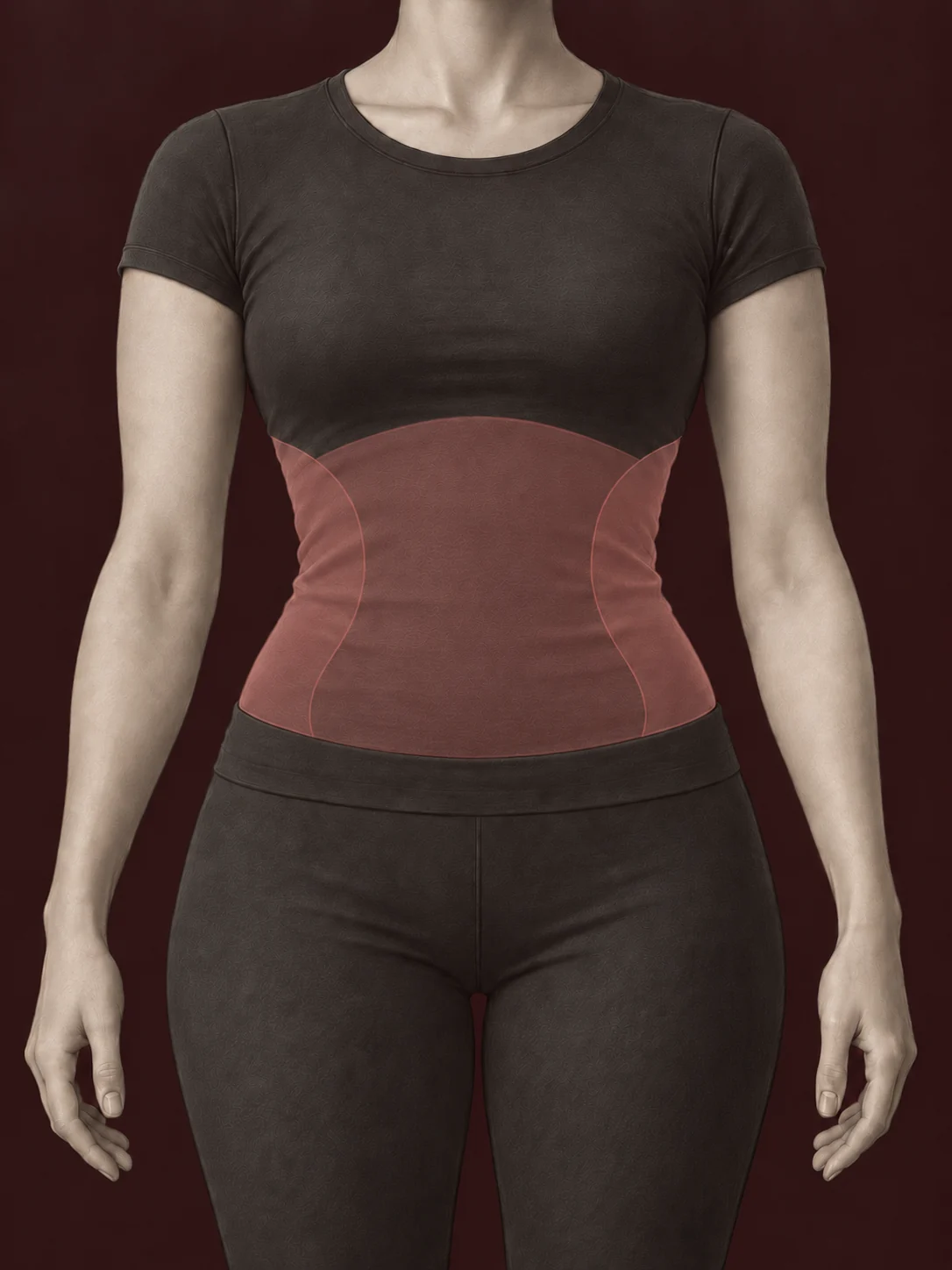
Planning body contours with liposuction and, where appropriate, transfer of your own fat.
This approach combines treatment of areas with localized subcutaneous fat and areas that may need more volume. The surgeon determines whether each step is suitable and how extensive it should be after an examination.
Oleksandr Chornomyz · Plastic surgeon
What patients ask about
- Localized fat depositsOn the abdomen, flanks, back, arms, or thighs, when the aim is to adjust proportions rather than lose weight overall.
- Volume loss or asymmetryA patient's own fat can sometimes be used to adjust the buttocks or other areas. The amount available depends on donor sites and tissue condition.
- Definition and contoursThe surgeon may discuss emphasizing natural body lines. The result depends on anatomy, skin quality, and stable weight.
- Scars or depressionsSome soft-tissue defects call for another technique or a combined approach; fat transfer is not suitable in every case.
What shapes the treatment plan
Liposuction does not remove a substantial excess of skin. If skin has lost elasticity after weight loss or pregnancy, a separate lift may be needed.
Some transferred fat may be reabsorbed. The exact volume and symmetry cannot be guaranteed in advance; a further procedure is sometimes discussed.
Combining liposuction with fat transfer
Marking covers both donor areas and sites that need more volume. Harvested tissue is processed before transfer; preparation and placement are discussed alongside the desired contours. Breast augmentation or gynecomastia correction needs a separate assessment rather than automatic inclusion in body contouring.
The surgeon removes fat with a cannula, processes and filters the graft and places it in agreed areas to change proportions. Liposuction can also emphasise existing contours but cannot create new muscles.
When surgery is postponed or the plan changes
Before surgery, the team assesses diabetes, clotting disorders, high blood pressure, heart disease, and any cancer history. When liposuction is combined with fat transfer, the surgeon examines both treatment areas. Elective surgery is postponed during pregnancy, breastfeeding, or an active infection; the effect of chronic conditions on risk is assessed individually.
In addition to general surgical risks, possible complications include contour irregularities, asymmetry, partial loss of transferred fat, fatty cysts, and firm areas. The safety of any fat transfer to the buttocks needs a separate discussion.
Care for donor and transfer sites
Swelling, bruising, and temporary changes in sensation can occur in both donor and recipient areas. The team will explain wound care and any compression requirements.
When you can return to work, exercise, swimming, and saunas depends on the extent of surgery. Contours change as swelling settles and transferred fat survives; it is too early to judge the result immediately.
Questions to discuss
How does body contouring differ from liposuction alone?
Liposuction reduces local fat deposits. Body contouring plans proportions across several areas and may combine fat removal with fat transfer.
Does contouring create abdominal muscles?
No. Fat contouring may emphasise existing definition, but it does not create muscle tissue or replace exercise.
Will all the transferred fat remain?
Some fat may be reabsorbed. The retained volume cannot be guaranteed beforehand; an additional stage may be discussed after assessing the result.
Price and consultation
The final cost depends on the agreed surgical plan.
According to the current price list, the cost depends on the extent of liposuction and any combined procedures.
Body contouring with fat transfer
Identify where volume should be reduced or added and whether these goals can be addressed in one procedure.
+38 095 000 11 20