Breast surgery · Kyiv
Gynecomastia surgery
Investigating the cause of male breast enlargement and choosing a correction.
Enlargement can be due to glandular tissue, fat or a combination. Before surgery, it is important to identify the cause rather than assess appearance alone.
Oleksandr Chornomyz · Plastic surgeon
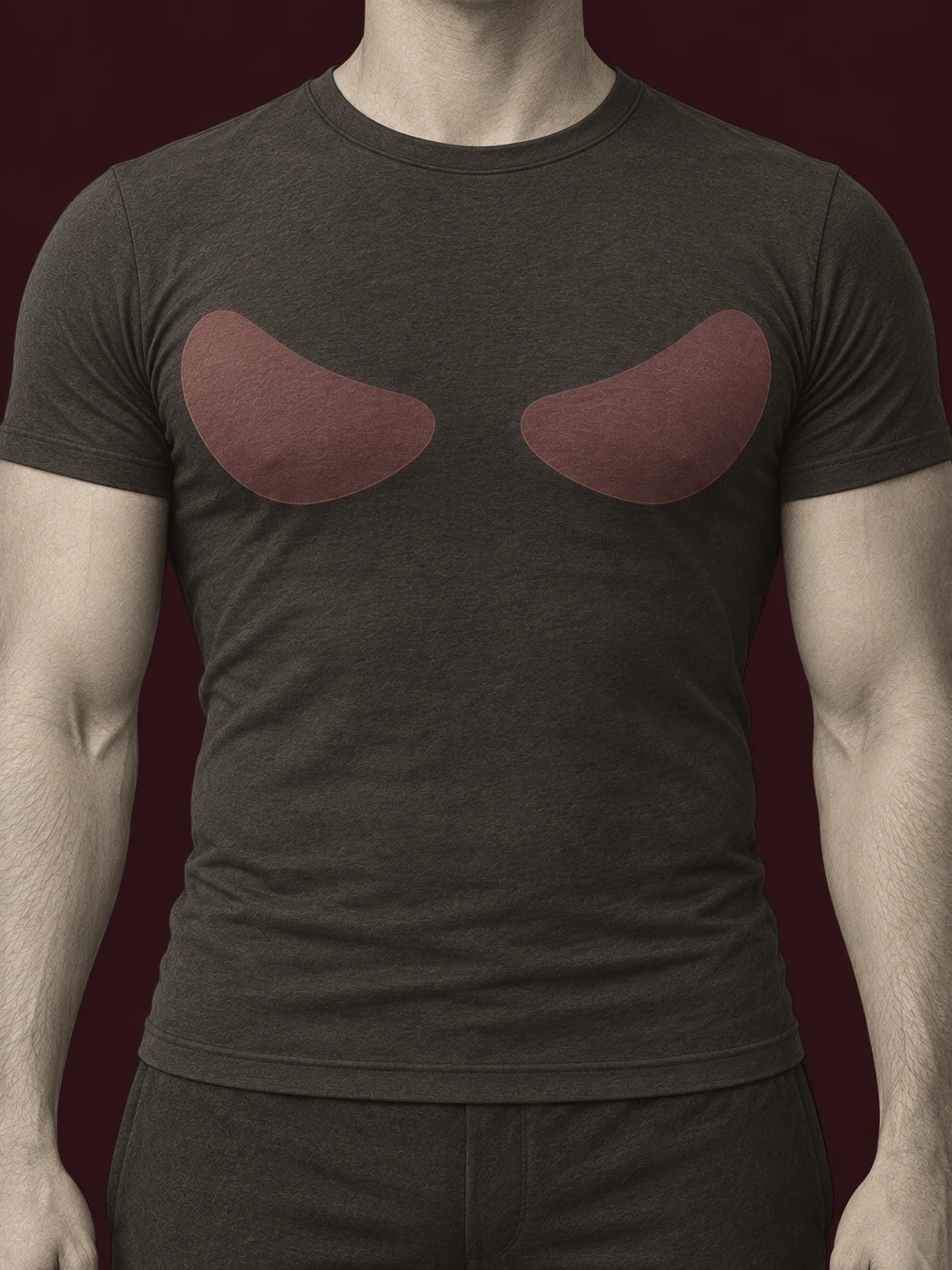
What patients ask about
- Persistent breast enlargementThe change persists and causes physical or psychological discomfort.
- Glandular tissueTrue gynecomastia is distinguished from predominantly fatty deposits.
- A combination of tissue typesBoth gland removal and liposuction may be needed for the contour.
- Excess skinAfter substantial weight loss, separate skin correction may be needed.
What shapes the treatment plan
The surgeon reviews medication, supplements, hormonal causes and other conditions. Rapid one-sided enlargement, a lump or nipple discharge require a separate investigation.
Surgery does not remove an ongoing cause of enlargement. Discuss the possibility of recurrence and scar placement.
Liposuction, gland removal or both
Assessment distinguishes glandular, fatty and mixed enlargement. Ultrasound and hormone tests are arranged when indicated; a suspicious mass needs separate investigation. Liposuction may address fatty enlargement, while glandular enlargement requires consideration of tissue removal.
A cannula removes fat, while glandular tissue is removed through a surgical incision, often near the areola. Mixed enlargement may require both methods; excess skin may need additional excision.
When surgery is postponed or the plan changes
The cause of enlargement is investigated before surgery; a new one-sided lump or nipple discharge must be assessed. Acute infection or a flare-up of illness require postponement. Uncontrolled diabetes, clotting disorders, heart, kidney or liver disease and cancer are assessed with the relevant specialist.
Possible complications include bleeding, fluid collections, infection, contour irregularities, asymmetry, scarring, changes in nipple sensation and further correction.
Compression and return to chest training
Swelling and bruising are possible in the first days. The team explains compression, incision care and follow-up examinations.
Chest-muscle activity resumes gradually as advised by the surgeon.
Questions to discuss
Is liposuction enough to treat gynecomastia?
It may form part of treatment for predominantly fatty enlargement. Glandular tissue needs a different removal method; mixed enlargement may require both approaches.
Why review hormones and medication before surgery?
They may relate to the cause of enlargement. Hormone tests are arranged when indicated, and the clinician reviews your medicines and supplements.
Can gynecomastia recur after correction?
Changes may recur if the underlying cause continues. Treatment therefore starts by investigating the cause rather than simply removing tissue.
Price and consultation
The final cost depends on the agreed surgical plan.
The current price list does not give a separate amount for this procedure.
Gynecomastia surgery
Establish the cause of enlargement first; the balance of glandular tissue and fat guides treatment.
+38 095 000 11 20