Plastic surgery · Kyiv
Breast surgery
Changes to breast shape, volume and position under an individual plan.
The technique is chosen after an examination, health assessment and discussion of expectations. Each procedure has its own possibilities, scars, risks and recovery requirements.
Oleksandr Chornomyz · Plastic surgeon
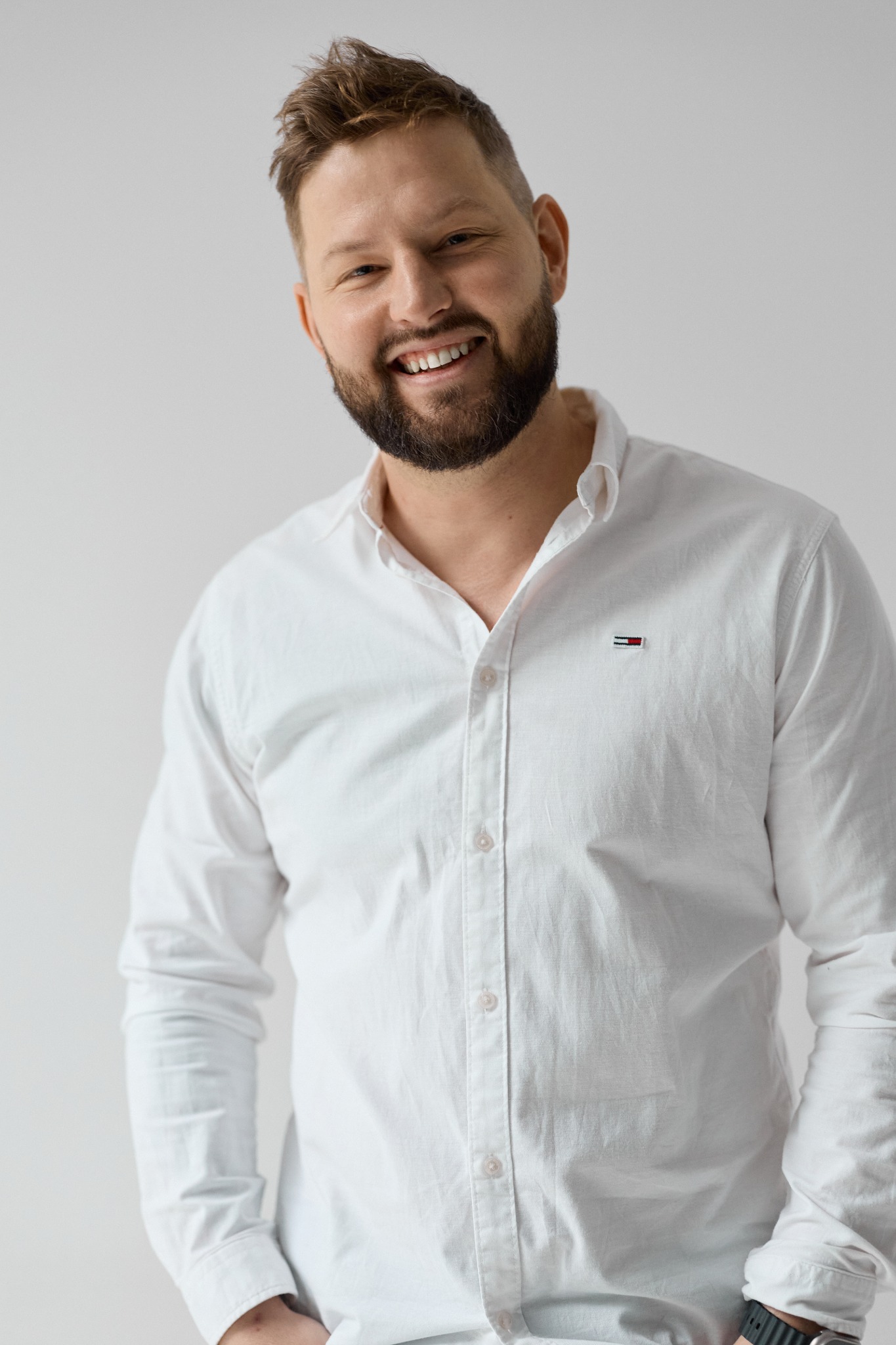 The surgical plan is agreed during a consultation
Choose a procedure
Breast reduction
Reduction mammoplasty to reduce breast volume and reshape the breasts.
Breast lift
Mastopexy to correct breast drooping and shape.
Gynecomastia surgery
Investigating the cause of male breast enlargement and choosing a correction.
Breast augmentation with implants
Choosing implant shape and volume with anatomy and future follow-up in mind.
How a technique is chosen
Breast reduction removes some tissue, a lift changes position and shape, and implants add volume. Gynecomastia surgery in men requires a separate investigation into the cause of enlargement.
The surgeon assesses anatomy, skin and breast tissue, previous surgery and overall health. Before surgery, discuss incisions, scars, possible changes in sensation, effects on breastfeeding and realistic outcomes.
Reasons for a consultation
Breast size alone does not determine whether surgery is needed.
- A wish to change volumeSmall volume or loss of fullness after pregnancy, breastfeeding or weight changes can be a reason to discuss augmentation. Significant drooping may also need a lift.
- Asymmetry or changes in shapeThe surgeon assesses differences in volume, nipple position, skin quality and the realistic limits of correction.
- Physical discomfort from large breastsNeck, back and shoulder pain, rubbing beneath the breasts and difficulty with activity can be reasons to discuss reduction. Other causes of pain should also be assessed.
- Breast droopingWith weight changes, ageing or breastfeeding, skin can lose elasticity. A lift changes shape and tissue position but does not always add volume.
- Reconstruction after treatmentAfter tissue removal for cancer, the possibility and timing of reconstruction are agreed with the oncology team.
- Male breast enlargementFor gynecomastia, the cause is investigated first: glandular tissue, fat or a combination need different approaches.
The decision should be your own and informed, rather than a response to someone else's idea of the right size or shape.
How procedures differ
Breast reduction removes some tissue and creates a new contour. A breast lift repositions drooping tissue and removes excess skin. Scars depend on the extent of change and the technique.
Augmentation with implants adds volume but requires follow-up and may need further surgery. Gynecomastia correction can involve glandular tissue removal, liposuction or a combination. A technique cannot be chosen from a photograph alone.
Preparation and risks
Elective surgery is postponed with active infection, inflammation, a flare-up of illness, pregnancy or breastfeeding. Minors require a separate medical and legal assessment. Clotting disorders, diabetes, heart, kidney and other organ conditions, a history of cancer and medication affecting bleeding are assessed individually. Uninvestigated breast changes are checked before surgery.
Possible complications include bleeding, infection, asymmetry, changes in sensation and healing problems. For implants, capsular contracture, rupture, rare implant-associated tumours and future follow-up are discussed separately.
Before surgery
The surgeon takes a medical history, examines and measures the breasts, clarifies your goals and explains the techniques. The anaesthetist assesses overall health. Blood tests, ECG, ultrasound or mammography depend on age, medical history and the surgical plan; the same set is not appropriate for everyone.
The team discusses smoking, alcohol, medication and supplements in advance. Do not stop prescribed medication yourself, including drugs affecting clotting. Individual instructions cover food and drink before anaesthesia, hygiene and arrival at the clinic.
After surgery
The team determines incision care, support garments and follow-up examinations. Swelling and discomfort gradually decrease; shape and scars can change over several months.
Return to work, swimming, sauna use and sport depends on surgery and healing; the surgeon provides an individual plan. Contact the medical team immediately for severe pain, shortness of breath, high temperature or sudden deterioration.
Discuss your goals
The surgeon can help choose a technique after an examination and health assessment.
+38 095 000 11 20