Body surgery · Kyiv
Mini abdominoplasty
Treating excess skin and contour changes mainly in the lower abdomen.
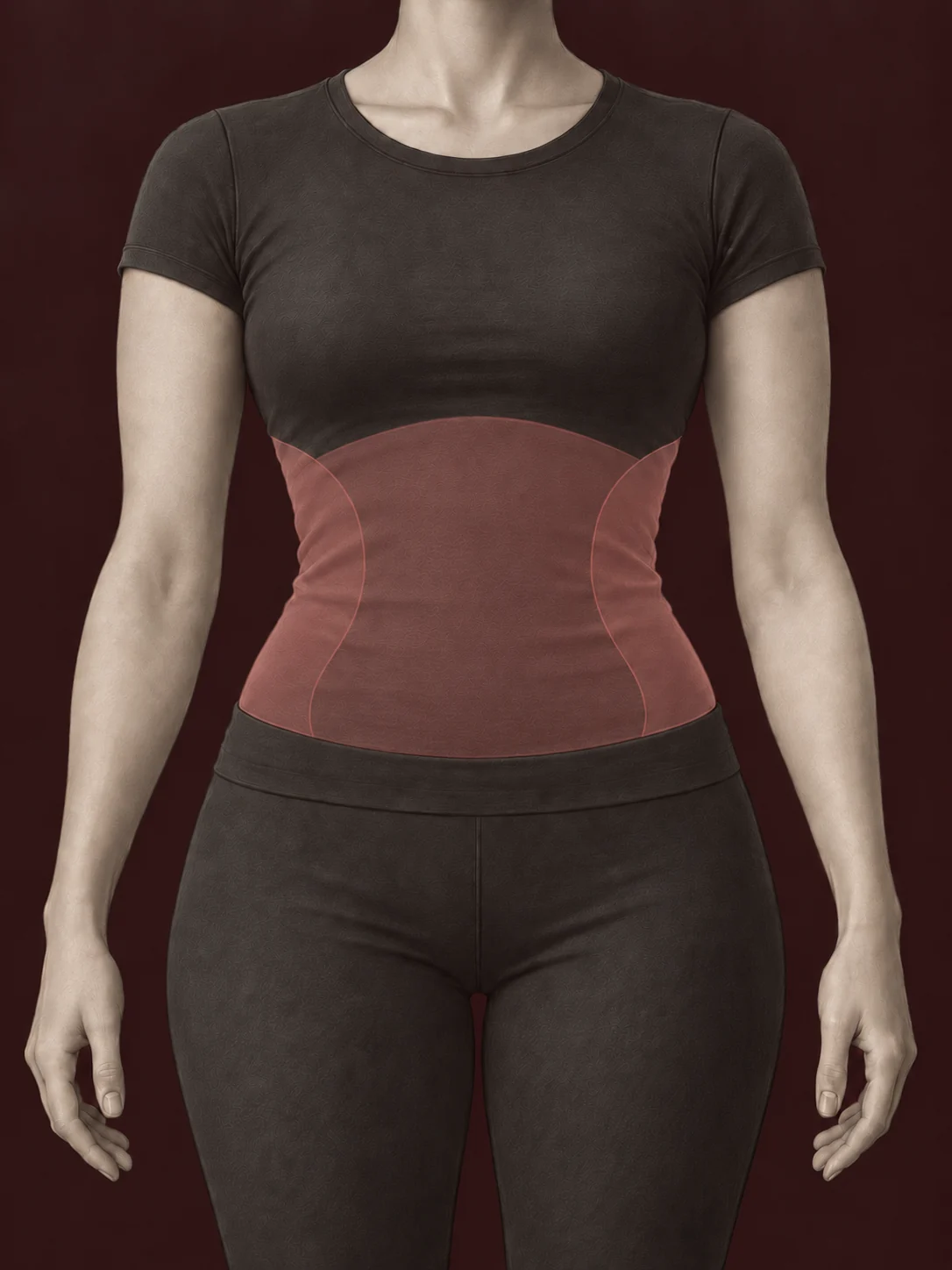
Mini abdominoplasty is considered when the changes are concentrated below the navel. It is not simply a less extensive version of a full operation: the choice depends on the position of the tissues, the muscles, and any existing scars.
Oleksandr Chornomyz · Plastic surgeon
What patients ask about
- Excess skin below the navelAfter pregnancy or changes in weight, a fold of skin may remain that exercise cannot remove.
- Skin changes and stretch marksOnly stretch marks on the skin that is removed can be eliminated by the procedure.
- Localized fullnessIf subcutaneous fat accompanies the excess skin, the surgeon assesses whether liposuction can be combined with the operation.
- Muscle separation or a herniaA suspected diastasis or hernia needs a separate examination; full abdominoplasty or another plan may be more appropriate.
What shapes the treatment plan
Changes above the navel, marked muscle separation, substantial excess skin, or previous scars may alter the choice of technique. The position of the navel and the future scar are discussed before surgery.
A limited procedure addresses a limited amount of excess tissue. Changes above the navel or a need for wider muscle repair may call for a different extent of surgery.
Treating the lower abdomen
The position of excess skin relative to the navel determines whether a limited procedure is sufficient. Described options include access near the navel, a bikini-line incision and de-epithelialisation for smaller changes. These are different techniques; the surgeon explains which suits your anatomy and whether liposuction is also needed.
The chosen access allows removal of a limited amount of skin and subcutaneous tissue. Any muscle correction is agreed separately; the navel is usually not repositioned as in a full abdominoplasty.
When surgery is postponed or the plan changes
Diabetes, a history of cancer, obesity, and clotting disorders require assessment before surgery. An active infection is treated first, while elective surgery is postponed during pregnancy and breastfeeding. Marked muscle separation, a hernia, or excess skin above the navel may mean another technique is needed.
Possible complications include fluid accumulation, wound-healing problems, altered sensation, asymmetry, and a noticeable scar. A smaller procedure still carries surgical risks.
Healing after a lower-abdominal incision
Swelling, bruising, and a feeling of tightness may occur after surgery. The team will explain wound care, any compression required, and follow-up visits.
The return to work and physical activity depends on the extent of correction and how healing progresses; the surgeon will discuss timing for your case.
Questions to discuss
When is mini abdominoplasty insufficient?
Excess tissue above the navel or a need for wider muscle repair may call for full abdominoplasty. A smaller incision is not the main criterion for choosing a procedure.
Is the navel moved during mini abdominoplasty?
It is usually not repositioned as in full surgery. The approach and navel position nevertheless depend on anatomy and the agreed technique.
Will mini abdominoplasty remove every stretch mark?
Only stretch marks on the excised skin can be removed. Those outside that area remain.
Price and consultation
The final cost depends on the agreed surgical plan.
Mini abdominoplasty
Compare mini and full abdominoplasty based on whether the concern is confined to the area below the navel.
+38 095 000 11 20