Body surgery · Kyiv
Buttock fat transfer
Adjusting buttock shape with your own fat taken from other areas.
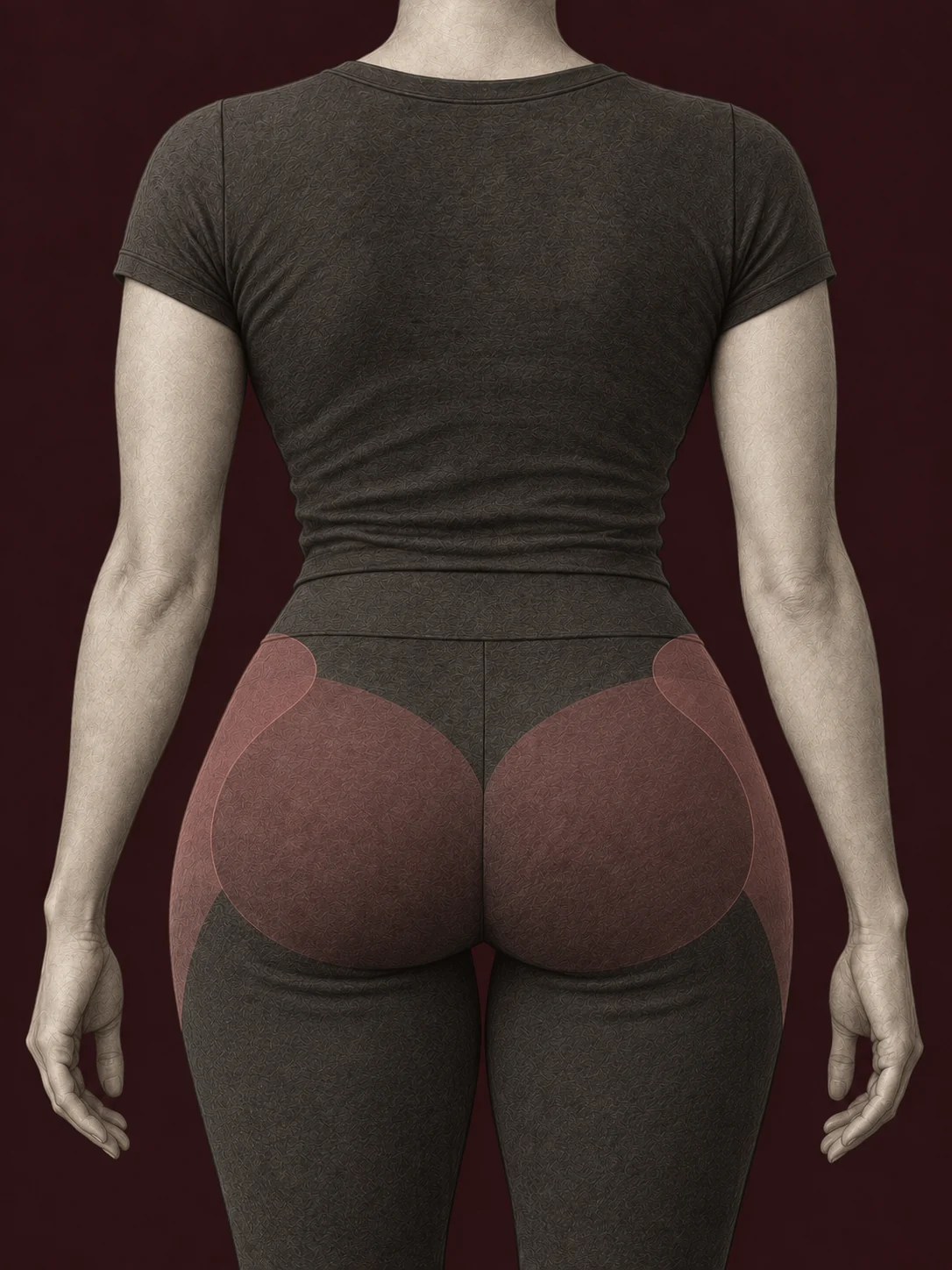
The procedure combines liposuction of a donor area with transfer of prepared fat to the buttocks. A discussion of the desired volume starts with an assessment of proportions, available fat, and risks.
Oleksandr Chornomyz · Plastic surgeon
What patients ask about
- Limited volumeIf the buttock shape does not fit the body's proportions, the surgeon assesses whether enough fat is available for transfer.
- AsymmetryA difference present from birth or following injury may require a separate plan for each side.
- Local depressions and scarsFat transfer can sometimes fill a soft-tissue defect, but it cannot correct every scar.
- Changes after weight lossWhen loose skin is the main concern, fat transfer alone may not be enough; a lift may be discussed.
What shapes the treatment plan
Stable weight matters for a longer-lasting result. Some transferred fat is naturally reabsorbed, so an exact gain in volume cannot be promised.
Buttock fat transfer has specific serious risks, including fat embolism. Before consenting, discuss the injection technique, the team's experience, and the safety plan in detail.
Harvesting, processing and transferring fat
Donor areas may include the abdomen, waist, thighs or back. Planning establishes how much tissue can be harvested and where the buttocks need volume. Processing is a separate step before injection; the amount transferred does not guarantee the volume retained after healing.
After harvesting and processing fat, the surgeon places it in small amounts in the planned areas. Buttock fat transfer requires specific discussion of subcutaneous placement and the risk of fat embolism.
When surgery is postponed or the plan changes
Before fat transfer, the team assesses endocrine conditions, diabetes, cardiovascular disease, clotting disorders, cancer history, infection, pregnancy, and breastfeeding. These call for assessment rather than an automatic ban for every diagnosis. Donor sites, control of other conditions, and the safety of the transfer technique are checked; active inflammation and pregnancy require postponement.
Alongside bleeding, infection, and contour irregularities, possible complications include fatty cysts, partial loss of transferred fat, and a dangerous fat embolism. These risks must not be presented as zero.
Protecting transferred fat during recovery
Swelling and bruising can occur both where fat was removed and where it was transferred. The surgeon will explain compression, body position, sitting, and wound care separately.
Physical activity resumes gradually according to an individual plan. Follow-up visits help assess healing and changes in volume.
Questions to discuss
Where is donor fat taken from?
Possible donor areas include the abdomen, waist, thighs and back. The surgeon assesses tissue availability and each area’s contour before agreeing where to harvest.
Should I lose weight before buttock fat transfer?
Discuss any planned substantial weight loss beforehand. Stable weight matters for assessing donor sites and maintaining proportions after transfer.
When can I sit after buttock fat transfer?
Your surgeon sets sitting and positioning instructions for the planned transfer. Instructions after buttock implants should not be applied automatically to fat transfer.
Price and consultation
The final cost depends on the agreed surgical plan.
In the current price list, the cost depends on the extent of liposuction.
Buttock fat transfer
Assess available donor fat, the desired buttock volume and whether sagging skin also calls for a lift.
+38 095 000 11 20