Body surgery · Kyiv
Gluteoplasty
Buttock surgery tailored to the shape, volume, and condition of your tissues.
Gluteoplasty covers different procedures: implants, transfer of your own fat, and a lift. Each addresses a different concern, so the first step is to identify what causes the change in contour.
Oleksandr Chornomyz · Plastic surgeon
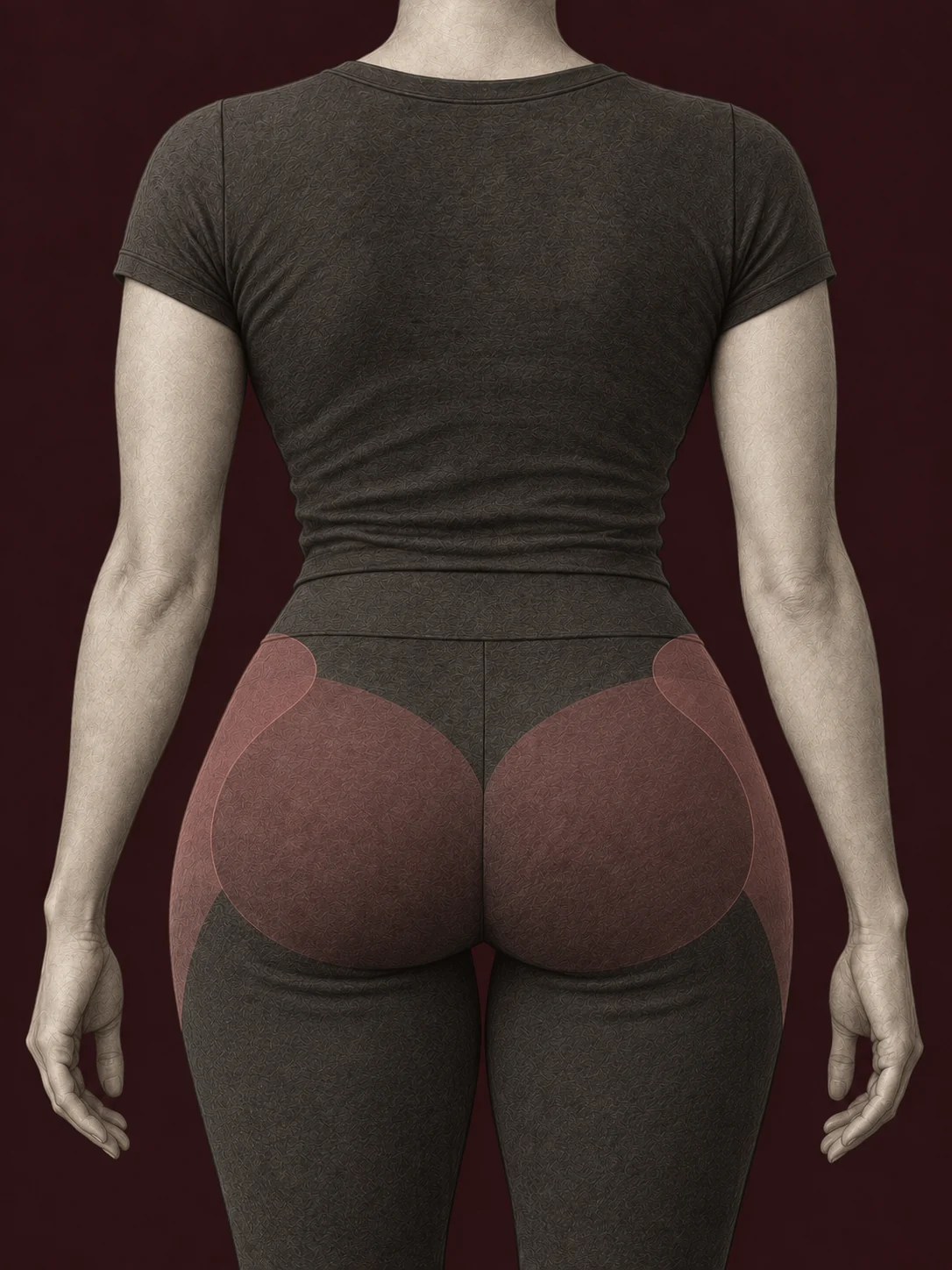
What patients ask about
- Limited volume or asymmetryThe surgeon assesses proportions, available donor fat, and soft tissues.
- Changes after injury or weight lossDents, scars, and loose skin may need different approaches to shape and skin.
- Drooping tissueAdding volume alone may not correct a substantial excess of skin.
What shapes the treatment plan
Implants, fat transfer, and lifting differ in incisions, risks, likely volume, and recovery. A single photo is not enough to choose a procedure.
Implants may need monitoring or another procedure; some transferred fat is reabsorbed. A permanent, unchanging result cannot be promised.
A lift, fat transfer or implants
The examination distinguishes a lack of volume from sagging tissue. Fat transfer requires an assessment of donor fat; a lift requires a plan for skin removal. A lift incision and an implant access incision are different parts of the surgical plan.
A lift removes excess skin and raises tissue; augmentation places an implant or transfers processed fat. These methods use different access incisions, and combining them with thigh surgery changes the scope.
When surgery is postponed or the plan changes
Assessment includes cancer history, cardiovascular disease, diabetes, high blood pressure, clotting disorders, and infection. Elective surgery is postponed during pregnancy and breastfeeding. Skin matters for implants, donor sites and injection technique for fat transfer, and wound healing for a lift.
Implants carry risks of infection, displacement, and capsule changes; fat transfer can partly reabsorb and carries a serious risk of fat embolism; a lift may leave visible scars or healing problems.
Recovery for the chosen buttock procedure
Sitting, compression, wound care, and activity restrictions depend on the chosen procedure. The surgeon provides individual instructions.
Swelling and altered sensation may occur; follow-up visits help monitor healing.
Questions to discuss
Does gluteoplasty always mean implants?
No. The term covers buttock lifting, implant augmentation and transfer of your own fat. The choice depends on the cause of the change in shape.
What if there is too little donor fat?
Fat transfer needs sufficient donor tissue. If it is unavailable, implants may be discussed; excess skin is assessed separately.
Does increasing buttock volume correct sagging?
Not always. Adding volume and raising sagging tissue are different goals. Substantial excess skin may require a lift.
Price and consultation
The final cost depends on the agreed surgical plan.
The cost depends on the technique; separate items appear in the full price list.
Gluteoplasty
Compare a lift, fat transfer and implants in relation to buttock shape, available donor fat and any excess skin.
+38 095 000 11 20